Clay vs Concrete vs Slate Roof Tiles: A UK Homeowner's Comparison
The scaffolding is up, the old covering is in the skip, and your roofer asks the question that will sit above your head for decades: clay, concrete or slate? All three work well on British homes. They simply suit different budgets, different roof structures and different streets. Get the choice right and you will not think about your roof again for a long time.
Clay, concrete and slate at a glance
- Clay tiles — fired from clay, usually plain tiles (small and double-lapped) or pantiles. Warm, slightly irregular and available in reds, oranges, browns and buffs.
- Concrete tiles — sand, cement and pigment, mostly interlocking profiles, with some that imitate plain tiles or slate. The workhorse of post-war housing.
- Natural slate — quarried and hand-split stone. Welsh slate set the standard in Britain; Spanish and other imports are now common.
As a rule, a well-laid concrete roof costs least to install, clay costs more, and natural slate costs most. Durability runs in roughly the opposite direction.
Durability: what you are really paying for
Natural slate is the long-distance runner. A properly fixed Welsh slate roof can serve 60 to 100 years or more, which is why so many Victorian terraces still carry their original covering. Clay is close behind: good quality plain tiles regularly reach 60 to 100 years. Frost is the enemy of cheap clay, so buy from a manufacturer with a genuine frost-resistance record rather than whatever is cheapest on the pallet.
Concrete typically manages 40 to 60 years. The tile body holds up well; it is the colour that ages, fading or greying under UV. That is a cosmetic nuisance rather than a structural one, but on a prominent elevation it is noticeable.
Slate and clay both weather gracefully, softening in tone and picking up lichen. Concrete tends to look tired before it fails.
What actually fails first
Usually, not the tile. The underlay, battens and fixings give out first. Nail sickness — where galvanised fixings rust through and slates start to slip — is the classic reason a slate roof has to be stripped. For coastal or exposed sites, specify stainless steel or copper fixings and accept the extra cost; it is far cheaper than re-roofing early. A modern breather membrane and well-ventilated roof space will also extend the life of any covering.
Cost: price the whole roof, not the tile
The tile is only part of the bill, and often not the biggest part. Labour, access and the hidden layers account for a large share of the total, which is why a cheap tile can still produce an expensive job. Reclaimed slate and clay can save money, but check for nail holes, delamination and a consistent thickness before committing — a pallet of mixed rubbish will cost you more in labour than it saves.
What a quote should include
- Scaffolding, erection and removal, plus any skip hire or permit for a skip on the road.
- Stripping the old covering and disposing of it correctly.
- New battens, breather membrane and fixings — not reusing the old ones.
- Lead work: flashings, valleys, chimney aprons and soil pipe collars.
- Ridge, hip and verge details, including mortar or dry-fix systems.
- Ventilation at eaves and ridge, and any upgrade required under building regulations.
Ask for a written, itemised quote and check whether VAT is included. If a quote is dramatically cheaper than the others, something on that list is usually missing.
Looks: colour, texture and local character
Roofing is regional. Plain clay tiles dominate the south-east, pantiles are common across the east and in Scotland, and slate suits Wales, the Lakes, Cornwall and much of Scotland. Matching your neighbours is not unadventurous; it is how streets stay coherent, and it matters if you ever sell.
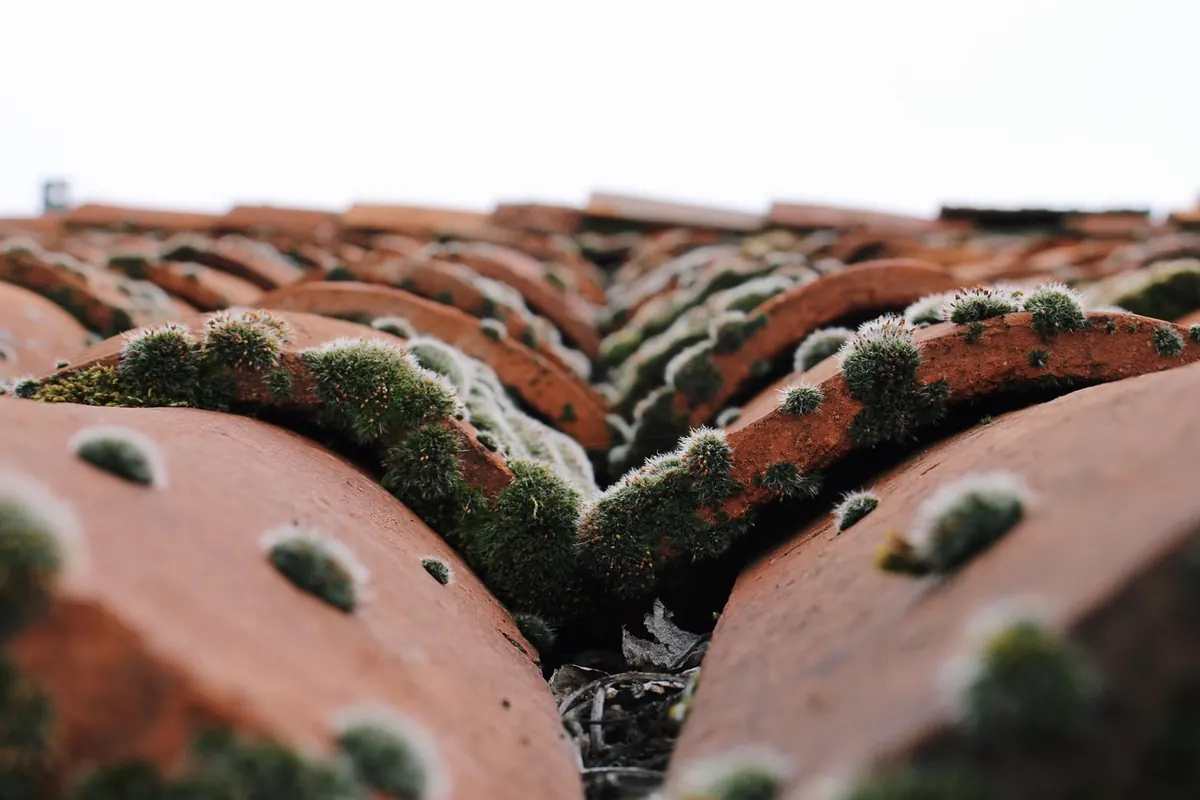
View samples in daylight and, ideally, on a roof rather than in a brochure. Clay and slate vary naturally from tile to tile, which gives a roof depth. Interlocking concrete can look flat and repetitive, though the better textured profiles are a world away from the thin, sharp-edged tiles of the 1970s and 80s. New concrete sometimes develops a whitish bloom called efflorescence; it is harmless and usually washes away within a year or two. Rough-textured tiles in shaded, tree-lined spots hold moisture and grow moss more readily, so plan on occasional brushing rather than regular pressure washing.
Weight, pitch and exposure
This is where a change of material can bite. Natural slate is comparatively light. Most concrete and clay coverings are considerably heavier per square metre, and a roof framed for slate may not carry them without strengthening. If you are switching materials, have the structure checked before you order anything.
Pitch matters too. Many interlocking concrete tiles can be laid on fairly shallow roofs when the underlay and fixings are specified correctly. Plain clay tiles and natural slate generally need steeper pitches, and the lower the pitch, the more generous the headlap has to be. In exposed coastal or upland locations, expect to mechanically fix more of the covering, even on profiles that would normally be nailed only. Follow the manufacturer's fixing instructions for your specific wind zone — your roofer should be doing this anyway.
Getting it right: a short checklist
- Check the planning status first. In a conservation area, or on a listed building, the local planning authority may specify natural slate or a particular tile profile, and an Article 4 direction can remove permitted development rights. A phone call now saves a costly argument later.
- Confirm the roof structure can take the weight of your chosen covering.
- Match the pitch and exposure conditions to the tile and fixing specification.
- Budget for the whole job: access, battens, membrane, lead, ventilation and disposal.
- Look at a roof with the same tile that has been up for five years or more, not just a showroom sample.
- Order spares — around 10% extra for cuts and breakages — and keep a note of the tile name and code with your house paperwork. Matching a discontinued tile in fifteen years is far harder than storing a few now.
For structural questions, speak to a chartered structural engineer, and for anything involving listed buildings or conservation areas, take advice from your local authority's planning team before the scaffolding goes up.

Checklist: Renovating Your Home's Exterior in the UK
A practical UK checklist for exterior renovations: the permissions to sort first, materials that survive...

How to Plan a Home Exterior Renovation: A Step-by-Step Guide
A practical, step-by-step guide to planning an exterior renovation: setting a realistic budget, checking...