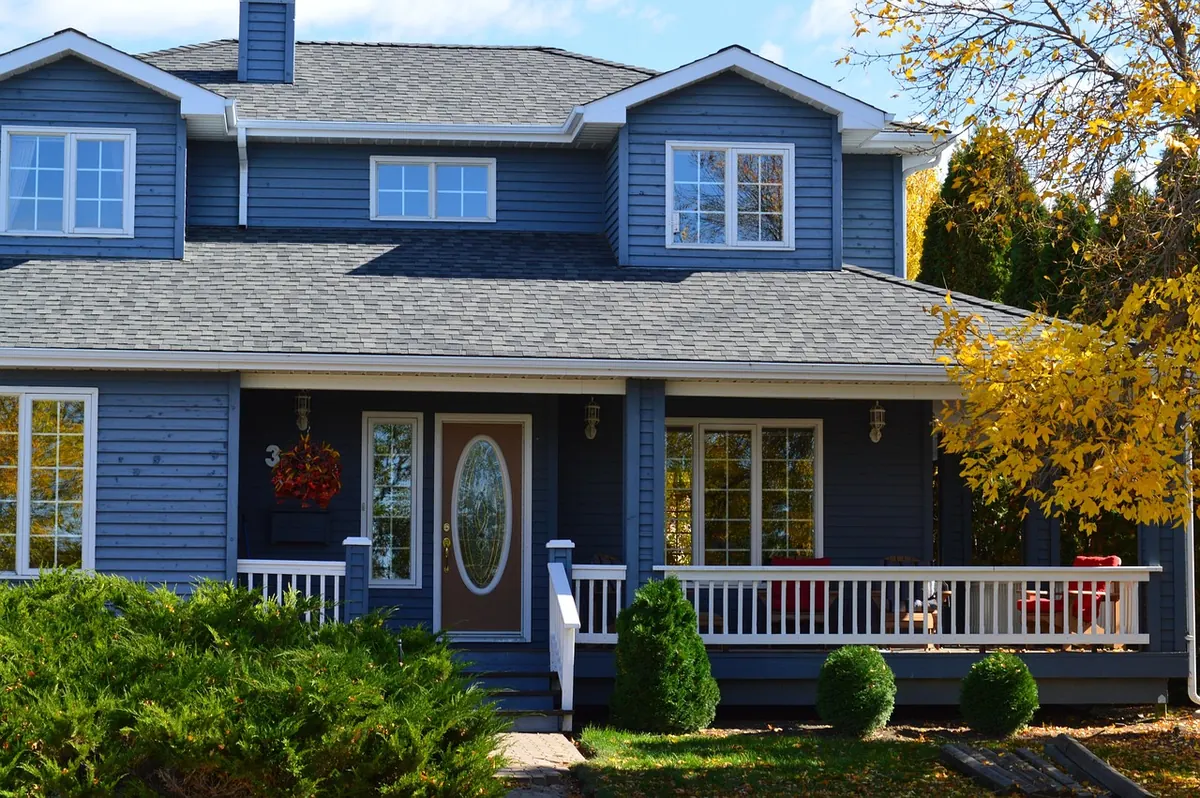
10 Gable Decoration Ideas to Boost Your Home's Curb Appeal
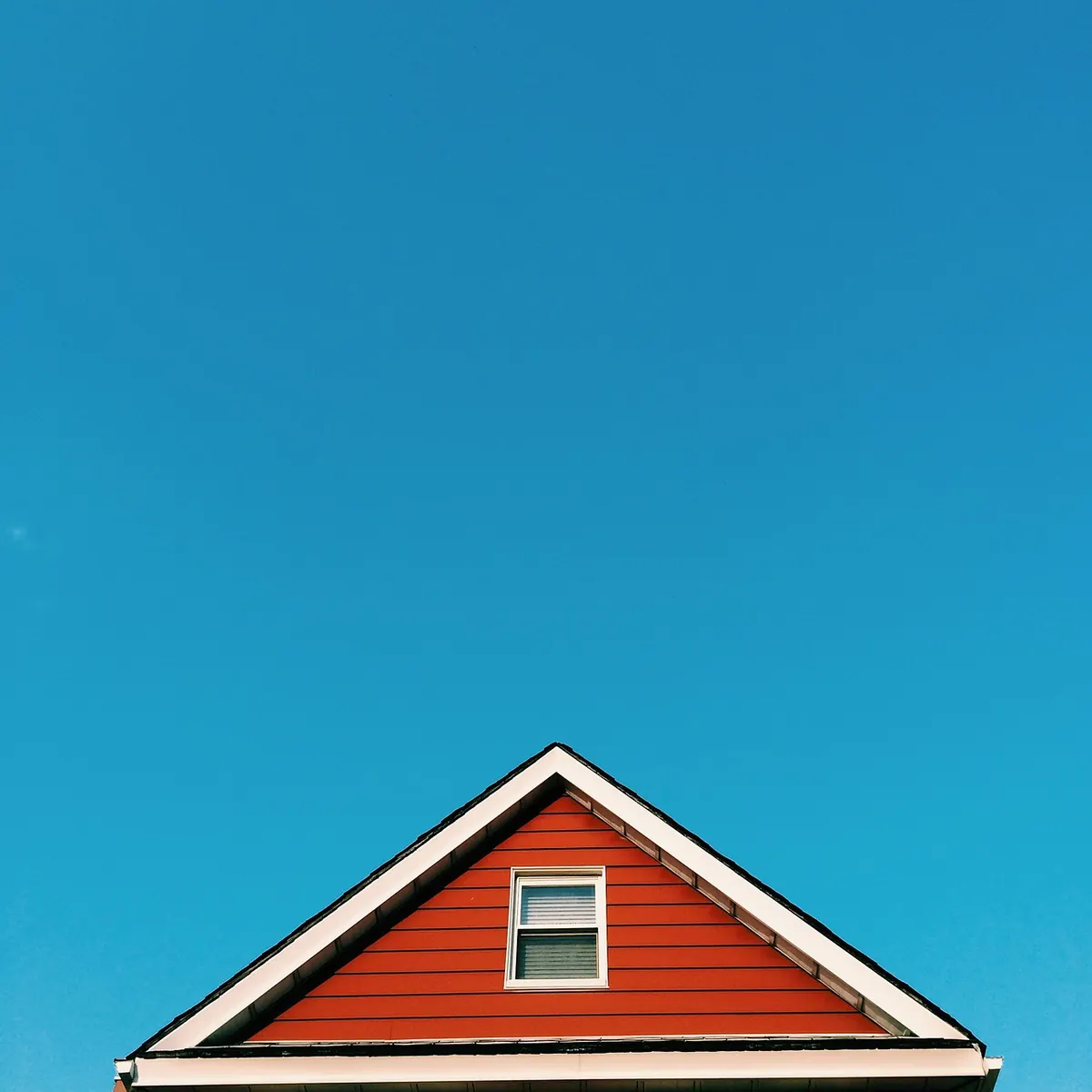
A gable end is the largest blank surface most houses own. It faces the street, it catches the light for much of the day, and it usually gets nothing more than a coat of whatever paint was left in the garage.
The good news is that gables respond well to small, inexpensive changes. Trim, vents, colour and texture all work on the same principle: you are breaking one big triangle into parts the eye can read. Here are ten ideas, grouped into six projects, that lift the front of a house without a fortnight of scaffolding.
Start with the Bargeboards
A tired bargeboard damages a first impression more than almost anything else. Those boards run down the sloping edges of the gable, and when they are thin, grey and splitting, the whole roofline looks neglected.
If yours are past saving, replacement is straightforward. uPVC is the low-maintenance choice and now comes in shaped profiles that mimic timber. Softwood is cheaper to buy and needs repainting every few years; hardwood and aluminium cost more and last longer. Fibre cement sits in the middle and holds paint well.
Width matters more than people expect. A shallow 100mm board can look mean on a wide gable, while a 175–200mm board, or a shaped profile with a rounded end, reads as a deliberate detail from the pavement. Look at neighbouring houses from the same decade as yours — matching the original profile keeps the proportions honest. While the boards are off, check the rafter ends behind them and treat or replace any soft timber.
Fit a Decorative Gable Vent
Vents do two jobs: they let the roof space breathe, and they give the eye somewhere to land in the middle of a large triangle.
- Rectangular louvred vent — quietly traditional, suits brick and slate.
- Circular or bullseye vent — strong and simple, excellent on render.
- Half-round or arched vent — sits neatly under a pitched roofline.
- Honeycomb or pierced pattern — more decorative, often cast stone.
- Glazed or faux-window vent — the look of a window at a fraction of the cost.
As a rule of thumb, a round vent looks right at roughly a third of the gable's width, set on the centre line about a third of the way down from the apex. Check the size on the wall with a cardboard template before you order. And if your loft genuinely needs ventilation, never block an existing opening with a purely decorative panel.
Use Paint to Change the Shape
Paint is the cheapest way to change a gable, and the easiest thing to get wrong. Think in terms of three surfaces: the roof, the wall and the trim. Pick two to dominate and one to contrast. A dark grey gable with white bargeboards under slate is calm; cream with sage-green trim under terracotta feels softer.
- Buy sample pots and paint a patch at least a metre square. View it in the morning, at midday and after rain.
- If you are colour-blocking, keep the line where the gable meets the wall below consistent right across the house.
- On unpainted brick, think hard before you begin. Painted brick is difficult to return to its original state.
- On old lime render, use a breathable masonry paint so the wall can dry out.
- Never paint over blown render or flaking boards. It will fail within a season.
Add Texture with Render, Cladding or Tile Hanging
Flat surfaces need texture if they are not to look like a filled-in shape. Options include smooth or lightly textured render, horizontal weatherboard in timber, composite or fibre cement, tile hanging — which suits the South East and East Anglia particularly well — or brick slips where the rest of the house is brick.
Whatever you choose, allow a ventilated cavity behind it and follow the manufacturer's fixing guidance. Weight adds up, and so does wind loading on a tall, exposed gable. If you live in a conservation area or a listed building, speak to your local planning authority before changing external materials rather than assuming a like-for-like swap will be accepted.
Timber Details and the Apex
Applied timber is the classic gable treatment, and it is easy to get wrong. Mock Tudor only convinces when the battens follow some kind of structural logic: vertical studs at regular centres, diagonal braces at the corners, a heavier beam where a floor would sit. A random zigzag of battens just looks like a random zigzag of battens.
Other details worth borrowing include decorative brackets under the eaves, a bressumer beam across the base of the gable, exposed rafter feet, and a finial or apex ornament — a turned spike, a simple carved cross or a weathervane. Keep the scale modest. A finial should read as a full stop, not a flag, and a dark painted finish usually beats something bright.
Lighting, Numbers and Greenery
Two small additions finish the job. A pair of uplighters at the base of the gable, angled to wash the wall, adds real depth after dark. Use warm white LEDs, keep beams away from bedroom windows and neighbouring sightlines, and put them on a timer or sensor. Soffit downlights work well if you would rather not light the wall itself.
A house number fixed to the gable is far easier to spot from a car than a small plate by the door. At ground level, a climbing plant or a pair of planters softens the base of the wall. Wisteria, clematis and pyracantha are all happy on a sunny gable, but keep them clear of gutters and window frames, and think twice about ivy if the mortar is old.
Doing It Safely, Then Keeping It
A gable is rarely a job for a ladder propped against the wall. Anything above the first floor wants a tower scaffold or a professional, and for bargeboard replacement or cladding at height it is worth getting two or three quotes from firms who work on both period and modern houses.
Before you buy anything, walk to the far side of the road and look at the house from where a visitor first sees it. That view sets the budget. Then work in order: make good, replace what is rotten, paint or clad, and add the details last.
Finally, put a date in the diary each spring to check the bargeboards, clear the gutters and touch up any blistered paint. A gable that gets an hour of attention once a year will hold its looks for decades — and will still be earning its keep when the photos are taken for a sale.
Photo: Ming He / Pexels

Checklist: Renovating Your Home's Exterior in the UK
A practical UK checklist for exterior renovations: the permissions to sort first, materials that survive...
How to Plan a Home Exterior Renovation: A Step-by-Step Guide
A practical, step-by-step guide to planning an exterior renovation: setting a realistic budget, checking...